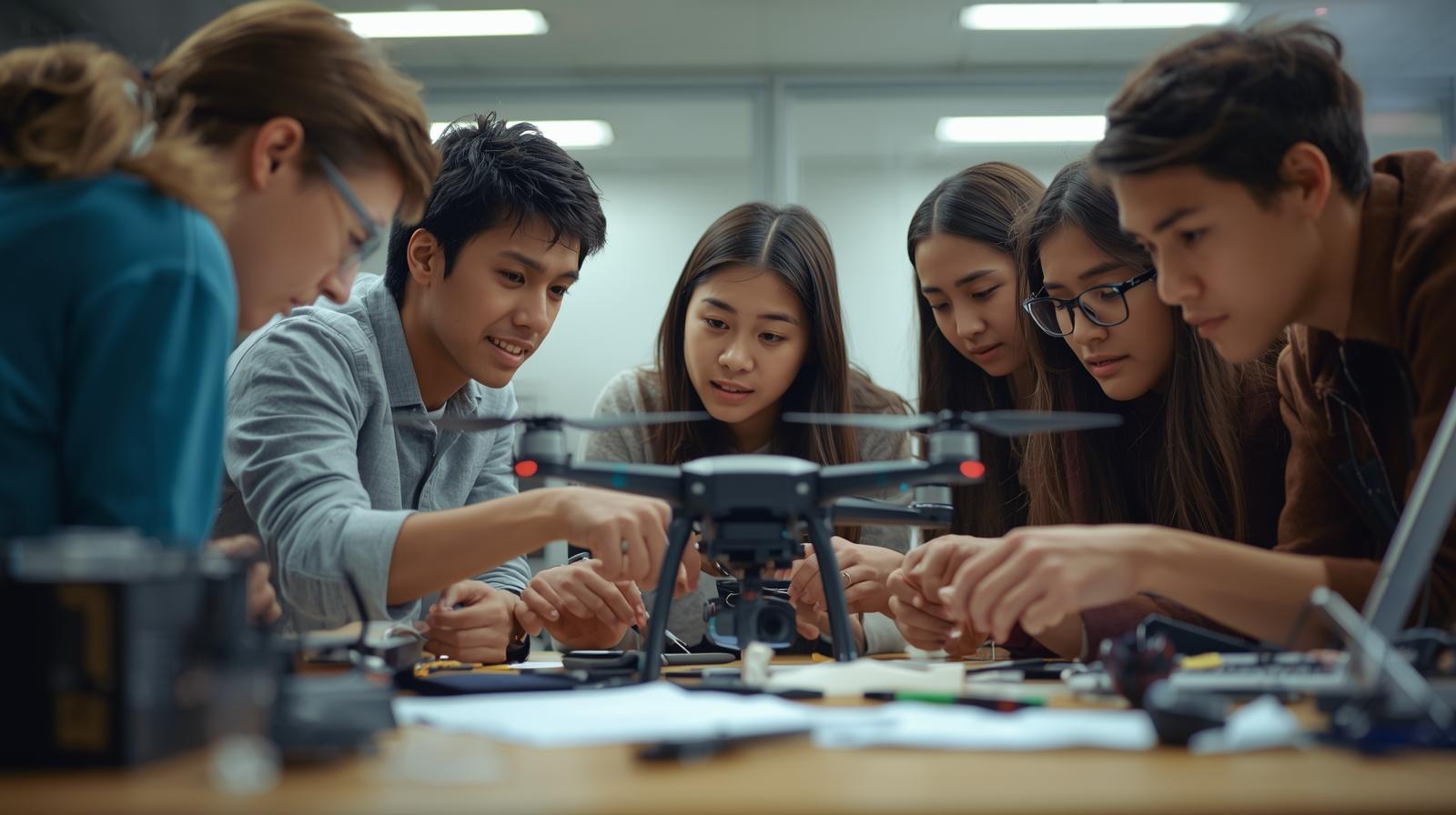
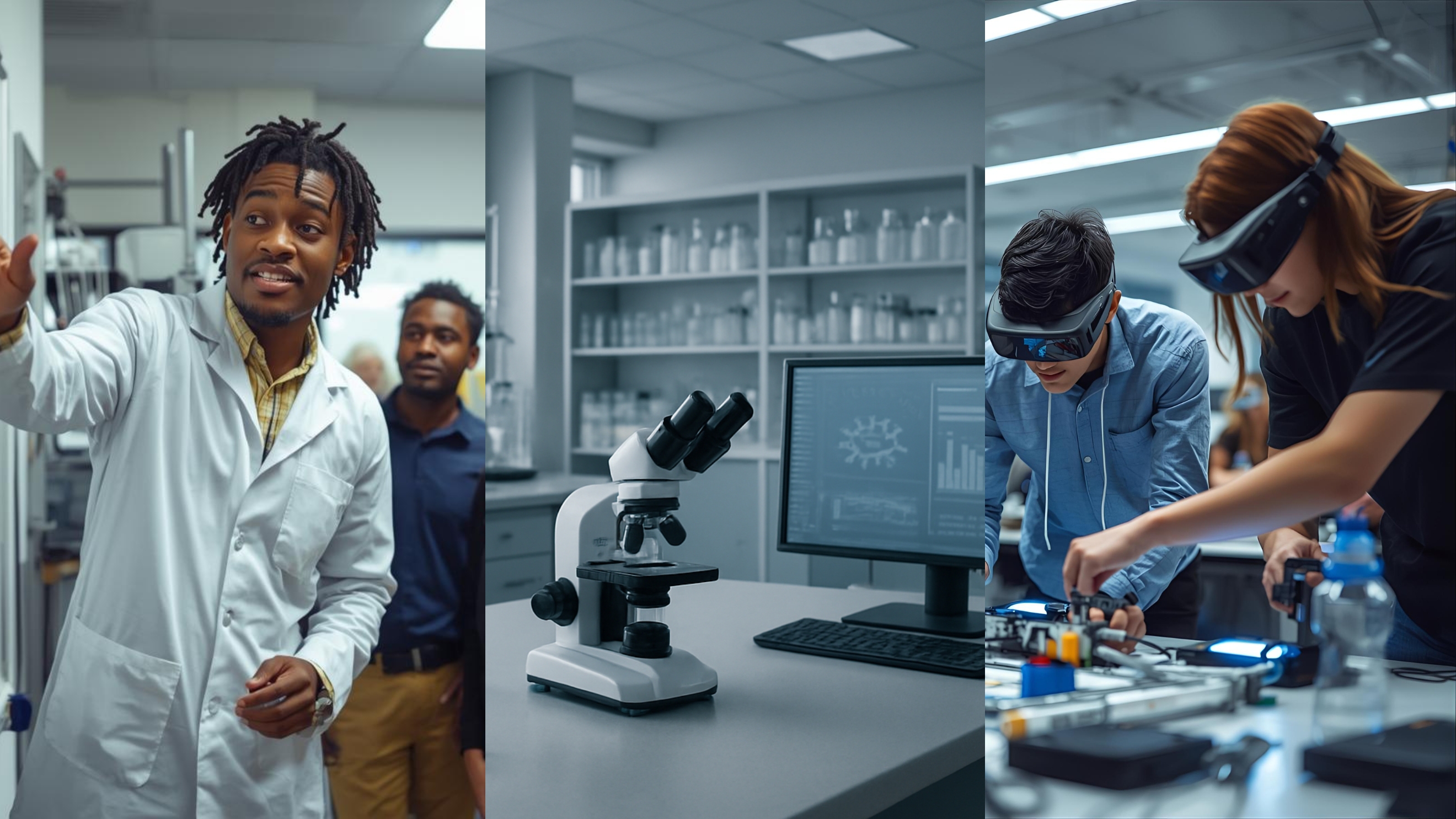
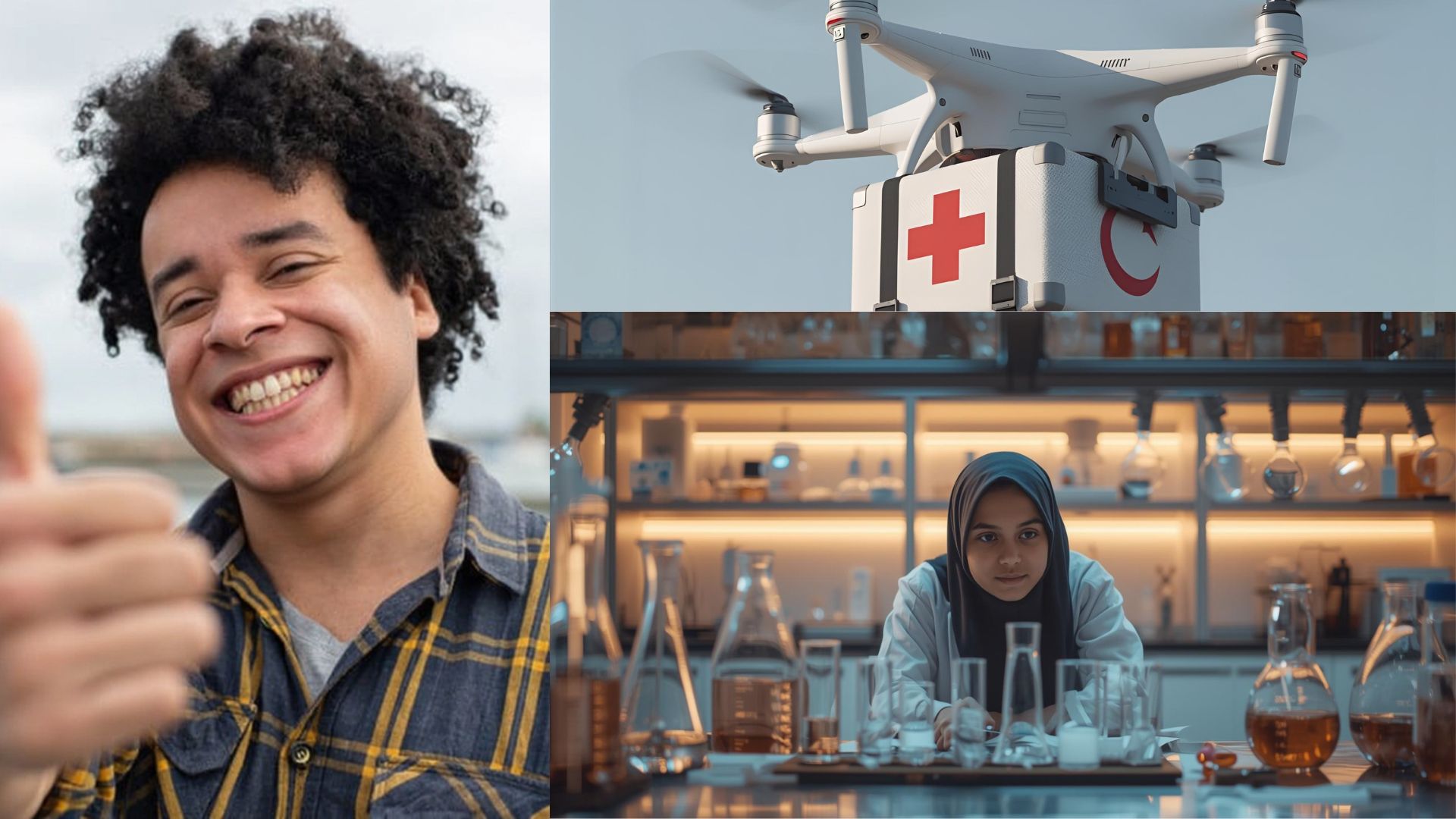
Encouraging students to pursue careers in the life science, technology and high tech engineering sectors

Delivering the next generation of scientists, technologists and engineers in the UK and across the world

High Tech Futures is a package of free programmes designed to encourage students, particularly those from disadvantaged backgrounds and in minority communities, to consider careers in three sectors at the cutting edge of science and technology:

Biotechnology and the life sciences, including medical devices, surgical robotics and nanotechnology.

Technology, including artificial intelligence, machine learning, cloud computing and semiconductors.

High technology engineering, including aerospace, automation, automotive, defence, electrical, electronics and energy.

The technology and life science sectors, in particular, are amongst the most productive sectors in many economies in terms of turnover per employee.

Building on success

High Tech Futures is an extension of our highly successful Future Biotechnologists events held in schools in the UK in Holton (Oxfordshire), Cambridge, Pinner and Leytonstone focusing on the life sciences. The event in Holton was described by Rebecca Vaughan, Careers & Work Experience lead at Lord Williams's School as:

"...the best external careers event I've attended (of which there have been quite a lot over 12 years!)."

The three sectors are converging and some of the most exciting developments are likely to happen where they overlap, for example, in artificial intelligence, robotics, smart materials, nanoparticles and brain machine interface technologies. Regular events in the programmes will include:

  • Carousel sessions
  • Seminars for students and teachers with people in the local high technology sectors
  • Skills boot camps designed to equip students for careers in the sector
  • Mentoring and apprenticeships
  • Online boot camps will focus on specific skills sets: for example robotics and AI
  • Carousel sessions
  • Seminars for students and teachers with people in the local high technology sectors
  • Skills boot camps designed to equip students for careers in the sector
  • Mentoring and apprenticeships
  • Online boot camps will focus on specific skills sets: for example robotics and AI

The new programmes are taking the highly successful Future Biotechnologists model and expanding it into the computer technology and high technology engineering sectors.

TechInnovators Challenge 2026

Partnering to create a difference for disadvantaged students

Real world skills The objective of the Challenge is to engage school and college students (ages 14–17) in real-world technology and engineering problem-solving and innovation through hands-on investigation and creative skills. It aims to equip students with technological, engineering, team working and presentational skills.

The competition starts with an online inspiration/onboarding session and continues with team projects, the best of which are then entered into regional and national finals.

Regional winners will be invited to participate in one or more finals at technology or academic venues.

Judging will be done by panels of teachers, academic and industry technologists and engineers and sponsor representatives.

Local mentoring and support At all stages schools will be provided with support, guidance and mentorship from young engineers and technologists and professionals locally.

The competition is designed for the TikTok generation with the creation of engaging reels and social media content for platforms like TikTok and Instagram an integral part of the challenge for the students.

Find out more

A model aimed at disadvantaged students

We understand that the greatest need is amongst students from the most disadvantaged backgrounds and they benefit most from programmes run locally where they live and study. Our programmes are therefore designed to cater to students living in the most deprived areas of the country.

Where possible our programmes are based in local areas with high indices of need. Depending on local support and interest the initial programmes will be rolled out in areas of the UK including:

  • Inner London (Camden, Hackney, Lambeth, Lewisham, Islington, Newham, Paddington, Southwark)
  • Blackburn with Darwen
  • Nottingham
  • Stoke-on-Trent, and
  • Birmingham
  • Inner London (Camden, Hackney, Lambeth, Lewisham, Islington, Newham, Paddington, Southwark)
  • Blackburn with Darwen
  • Nottingham
  • Stoke-on-Trent, and
  • Birmingham

We are planning to roll out similar programmes across the globe where we encounter local need and local support.

The London Programme

Partnering to create a difference for disadvantaged students in inner London

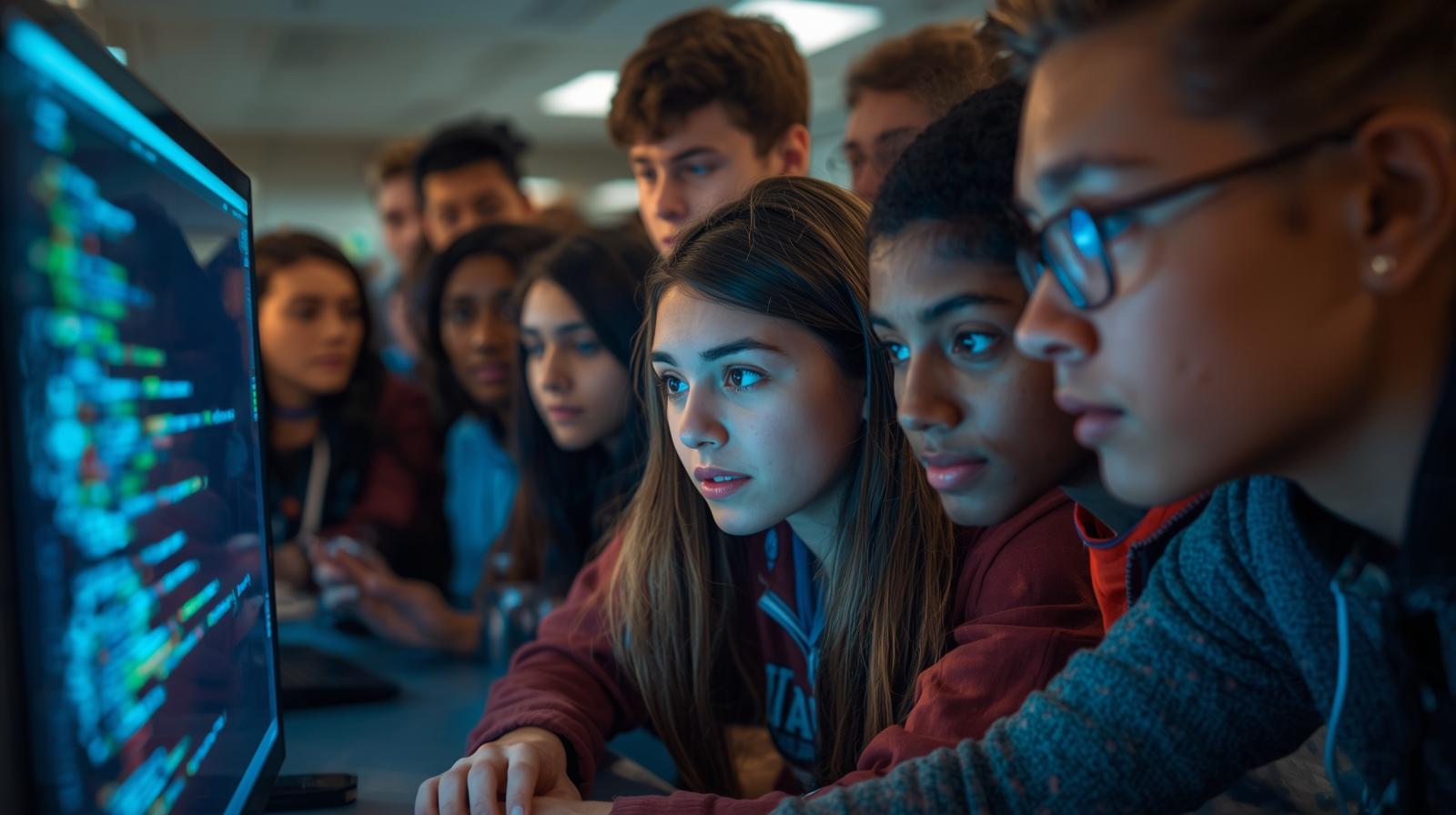
The Programme enables young people in London (ages 14–19) to learn about emerging next-generation convergent technologies (artificial intelligence, robotics, drones) and opens a window into career pathways in high-growth industries. The Programme hosts online and in-person events in schools and colleges in disadvantaged parts of inner London, connecting students with mentors and employers.

A core element of the London Programme is to engage students in practical challenges and activities.

Volunteers and experts with relevant expertise will help guide the students through practical activities and challenges. At the end the students will be asked to give presentations to volunteers from the sector and teachers from participating schools.

Challenges may include the simulation of a clinical trial to get students to understand how new treatments get tested, evaluated and judged or training a computer model to recognize objects or emotions using machine learning or artificial intelligence.

Making a difference to London

Empowering London students to thrive in the high-tech and life sciences sectors means giving them early, practical exposure to how innovation really works. By embedding coding, data literacy, and scientific research skills across the curriculum—while also building confidence, teamwork and problem-solving—students are better prepared to turn ideas into impact.
Empowering London communities

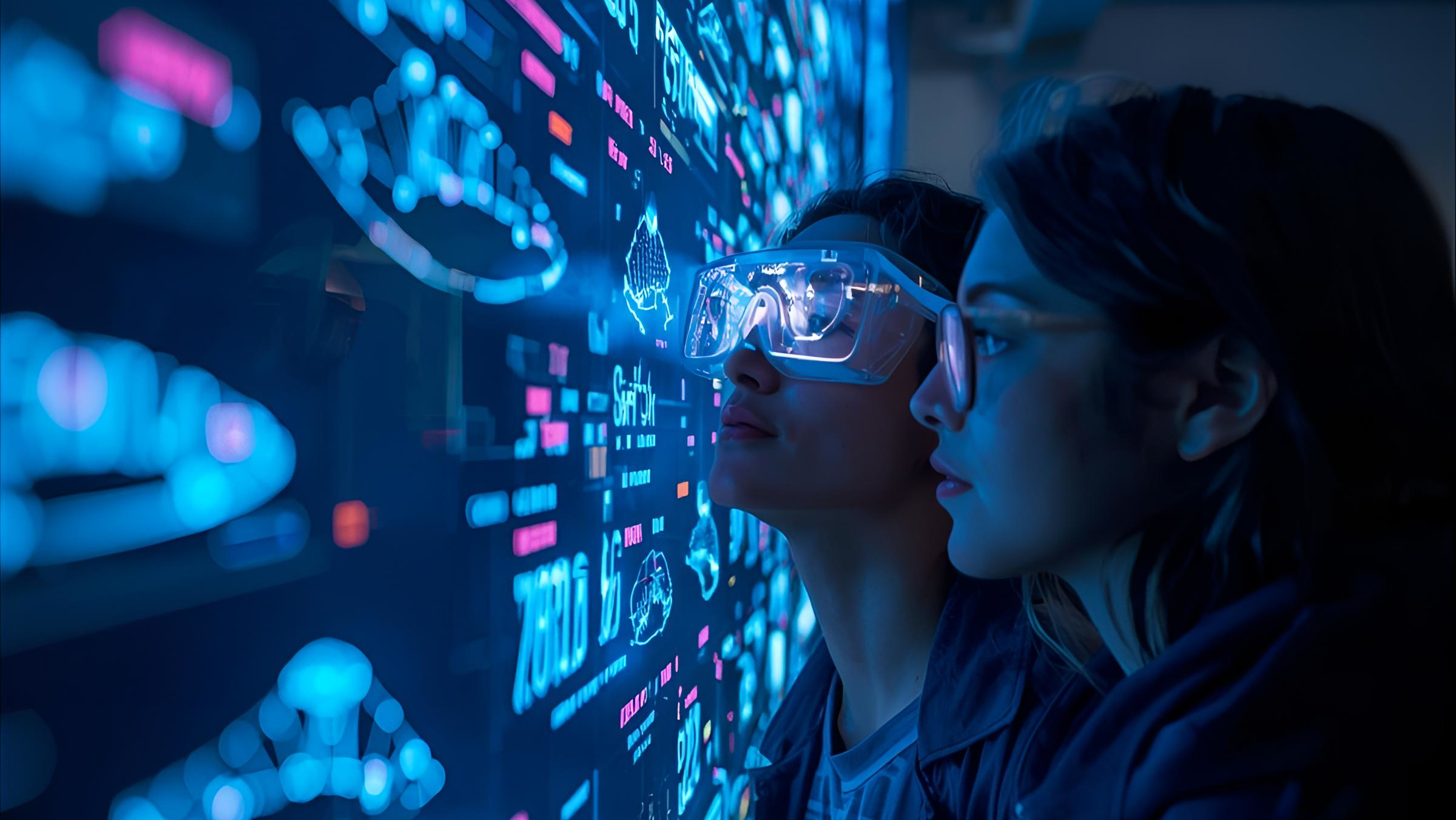
The London Programme focuses on developing strong partnerships between schools, universities, startups, and global companies to give targeted support to underrepresented communities to unlock a diverse, homegrown talent pipeline ready to lead in cutting-edge technology and life-changing science.

Based on local skills needs

The nature and scope of each programme that we can deliver in each area will depend on a number of factors including the need for skills identified locally, the level of personal and volunteer support from local and national life science, high tech engineering and technology companies in those areas of deprivation and the funding available for each local programme.

Engaging and empowering students and teachers

Topics that we are discussing with partners (subject to availability of volunteers and equipment) include:

  • The future of human health Bio-engineering, wearable technology and robotics: surgical robots, AI-powered diagnostics, prosthetic limbs with a sense of touch, rapid DNA sequencing and diagnostics, 3D printing of organs and tissues.
  • The technology behind the fun Engineering in entertainment.
  • The digital frontier AI, VR and how AI learns, building a simple AI model, experiencing engineering designs in VR.
  • Smart cities, transport, infrastructure and defence Technology and future cities, drone technology, showing how sensors and data are transforming transport and housing. How the defence industries are dealing with the technology arms race.
  • Saving the planet Green technology and renewable energy: next-generation solar panels and batteries, engineering lab-grown meat, carbon capture technology and vertical farming robotics.

These are some of the event formats that we are discussing with partners:

  • Build your own technology Mini drone kits, simple robotics or coding a basic app.
  • Hackathons and design challenges Teams solving real-world problems with mentorship from engineers, biotechnologists or technologists.
  • Reverse engineering technology Take apart gadgets to understand how they work.
  • VR/AR experiences Simulate working on a space station, inside a jet engine or designing a skyscraper.
  • Live demonstrations 3D printing, robotic arms, drone technology or AI facial recognition in action.
  • “How I got here” Talks and carousel sessions: People in the sectors share their personal journeys, especially those from similar backgrounds.
  • “What’s next?” workshops Outline apprenticeships, university routes, and alternative paths into engineering, the life sciences and technology sectors.

Inspiring the next generation of life scientists, computer scientists and high tech engineers